E-commerce Berlin Expo 2026 recap: payments, AI, and the rise of agentic commerce
14,000+ participants. 340 exhibitors. 150 speakers. 50 masterclasses.
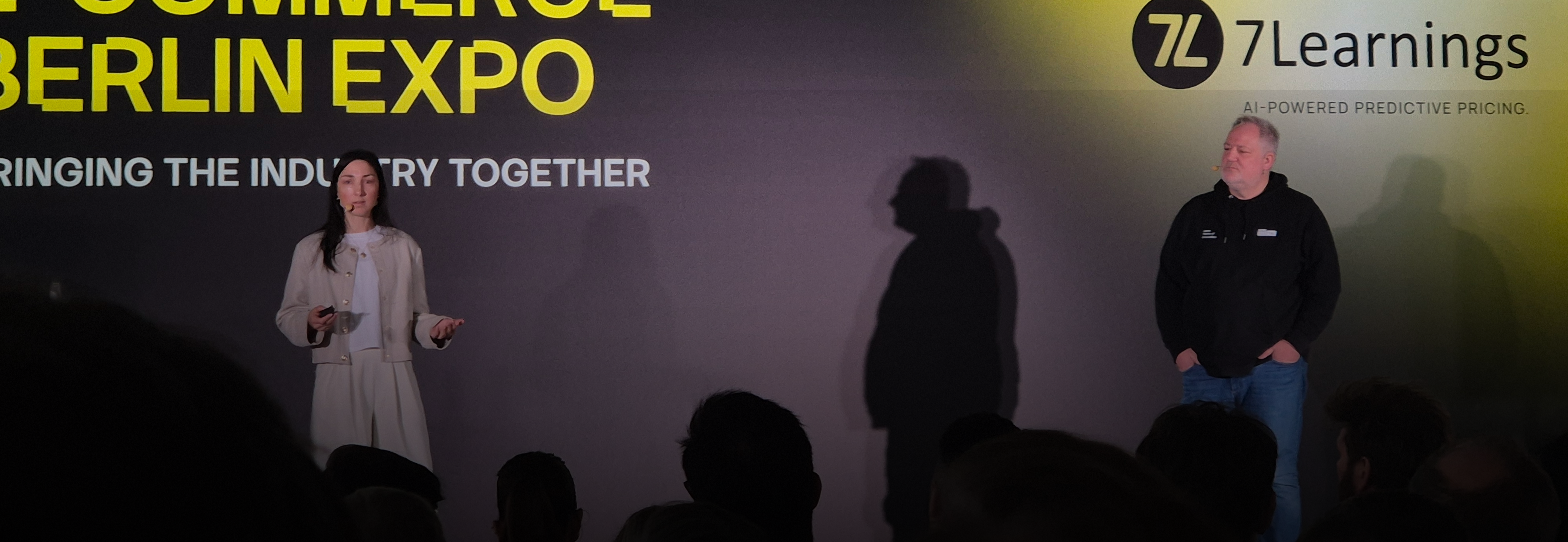
The 10th jubilee edition of the E-commerce Berlin Expo became the largest in the event’s history. This year, Modsen team joined thousands of industry professionals in Berlin to explore the technologies and ideas shaping the next generation of digital commerce.
Across two intensive days of talks, panels, and conversations with platform representatives and technology providers, we found several themes that stood out.

Secure payments and fintech infrastructure
One of the most actively discussed topics we were involved in was the evolution of payment infrastructure and transaction security.
From representatives of companies such as Stripe, Novalnet, Amazon, and Kaufland Global Marketplace, Modsen learned how payment systems are evolving to support global commerce ecosystems and automated transactions.
We could highlight several clear trends:
frictionless global payments with localized payment methods
AI-powered fraud prevention and identity verification
embedded financial services within marketplaces
stronger compliance and data protection frameworks
These conversations provided valuable insight for us into how modern payment architecture must evolve to support cross-border commerce at scale.

AI is becoming the operating layer of commerce
Not surprising for our team was the fact that artificial intelligence dominated the agenda of the expo. The opening keynote by Marcus Diekmann set the tone for the event with a simple but powerful message:
“Scale up AI or die.”
What we liked more was the speakers from companies such as Zalando, OTTO, and TikTok discussing how AI technologies are now integrated into nearly every layer of commerce operations.
Sessions around AI we participated in made it clear to us that retailers are increasingly transforming into AI-first organizations, relying on machine learning to automate decision-making and optimize complex workflows.

The rise of agentic commerce
Another idea we found essential is agentic commerce.
During the expo, we visited several events where influencers raised the topic of this emerging model, introducing AI agents as intermediaries between consumers and online stores. Instead of browsing multiple websites, customers increasingly rely on AI assistants to:
search and compare products
filter options based on preferences
generate recommendation lists
and sometimes even initiate purchases
Panels and discussions we saw around this concept highlighted a major shift: online stores now need to be optimized not only for human users, but also for AI-driven discovery and interaction.

Beyond the stages: conversations that matter
Beyond the conference stages, the expo was for us an environment for meaningful conversations with industry professionals.
Meetings with marketplace representatives, fintech companies, and technology partners opened discussions about real challenges businesses face today – from scaling international payment systems to integrating AI into existing commerce platforms.
These exchanges often provided just as many insights as the official sessions.

Key takeaways from Berlin
Two days of panels, discussions, and conversations with industry experts helped us identify several key trends shaping the future of e-commerce:
AI is becoming the core operating layer of e-commerce;
the industry is entering the era of agentic commerce;
secure payment ecosystems remain fundamental for global scalability;
social commerce and community-driven discovery continue to grow;
operational performance and logistics are becoming key visibility factors.
These discussions and insights will help us further deepen our expertise and continue developing scalable, secure, and forward-looking commerce solutions. See you at the next event.